Introduction
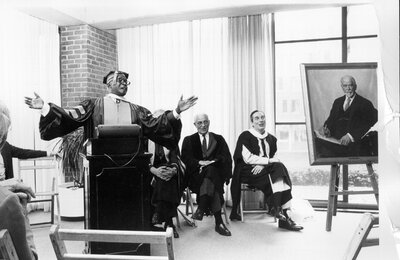
"Some decades ago, people who were trying to record and document the history of African Americans in Boston created a black freedom trail. One of the things [Gerald] Gill used to do...would be to take his students into Boston and arrange for them to have a tour.... Somehow along the way he got it in his mind that there was enough history of the presence of blacks on the Tufts campus to do a similar project."

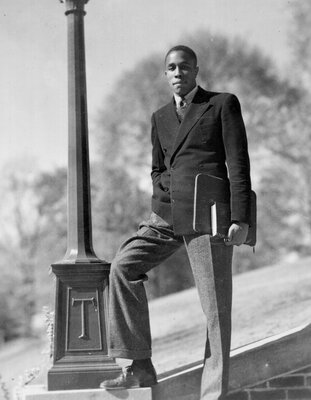
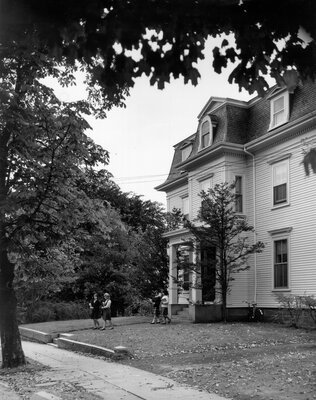
“This mapping project aims to connect past and present research, teaching, public projects, and collective memories of Tufts faculty, alumni, staff, students and community members, in relation to four centuries of African American history in Medford. The project aims to support historical memory and inter-generational community within and beyond Tufts.”
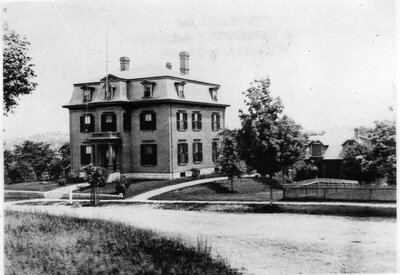
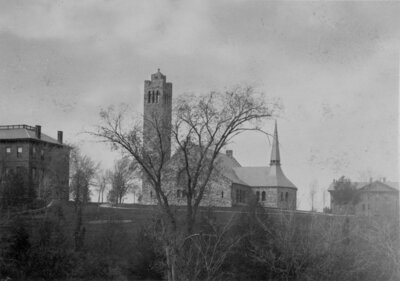
The Tufts Black Freedom Trail builds on the work on Professor Gerald R. Gill and documents and connects many of the places and moments in African American history at Tufts. The trail includes sites on the Tufts Medford campus such as the Africana Center at Capen House, protest sites at Lewis Hall, and the Africana memorial tree and memorial plaque in Goddard Chapel.
The sites in this exhibit are specific to the Tufts Medford/Somerville campus. To learn more about the larger African American Trail project managed by the Center for the Study of Race and Democracy, please visit our about page.